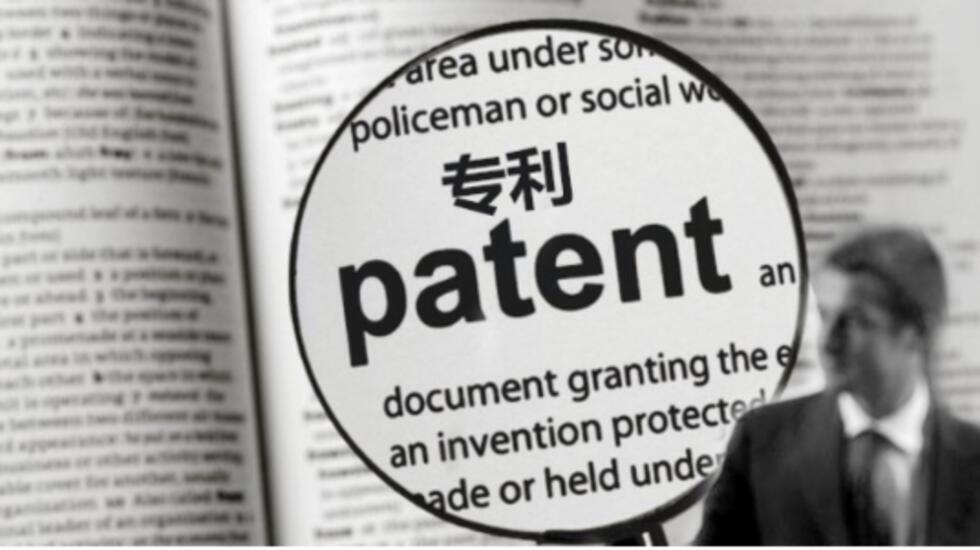

Understanding the Patent System in China: A Complete Guide for 2025
China Patent System at a Glance
| Patent Type | Protection Duration | What It Protects | Examination Time |
|---|---|---|---|
| Invention Patents | 20 years | Technical solutions, processes | 19 months |
| Utility Model Patents | 10 years | Product improvements | 6-12 months |
| Design Patents | 15 years | Visual designs, patterns | 6-12 months |
🔥 Key Stat: China received 1.64 million patent applications in 2023, making it the world’s largest patent filing destination!
What is the China Patent System?
The China patent system is like a giant digital fortress that protects new ideas and inventions. Moreover, it’s managed by the China National Intellectual Property Administration (CNIPA), which acts as the main guardian of all patents in the country. Furthermore, this system works on a “first-to-file” basis, meaning whoever files their patent application first gets the protection.
Why the China Patent System Matters for Your Business
Imagine you’ve created an amazing new product, but then someone else copies it and sells it cheaper. That’s exactly what patent protection prevents! Additionally, the China patent system has become incredibly important because China is now the world’s manufacturing hub. In fact, many companies need to protect their innovations in China to stay competitive globally.
According to recent data from the World Intellectual Property Organization (WIPO), China received an astounding 1.64 million patent applications in 2023. This number represents nearly half of all global patent filings, which shows just how important China has become for innovation protection.
The Role of CNIPA in Patent Protection
CNIPA serves as the central authority that examines, approves, and manages all patent applications in China. Similarly to how a school principal oversees all students, CNIPA oversees all patent matters. The organization has been working hard to improve its services, especially for foreign companies who want to protect their inventions in China.
Under Article 2 of the Patent Law of the People’s Republic of China, patents are granted for inventions that are new, inventive, and practically applicable. This legal framework ensures that only truly innovative ideas receive patent protection.
“The Patent Law of the People’s Republic of China protects intellectual property rights and encourages invention-creation, promotes the application of inventions-creations, enhances innovation capability, and promotes scientific and technological progress and economic and social development.”
Recent Growth in China’s Patent System
The numbers tell an incredible story about China’s patent system growth. For instance, China’s PCT applications reached 70,100 in 2023, surpassing the United States for the first time. This dramatic increase shows that Chinese companies are not just filing patents domestically but are also seeking international protection for their innovations.
If you’re a business owner considering patent protection, understanding the China patent system is crucial. Not only does it offer strong legal protection, but it also provides access to the world’s largest market. Companies like those served by Yucheng IP Law’s patent services have successfully navigated this system to protect their valuable innovations.
Three Types of Patents You Can Get in China
Understanding the different types of patents available in China is like learning about different types of locks for your house. Each type provides different levels of protection, and consequently, each serves different purposes. Let’s explore each type in detail so you can make the best choice for your innovation.
Invention Patents: The Gold Standard of Protection
Invention patents are the strongest type of patent protection you can get in China. They’re designed to protect completely new technical solutions, processes, or significant improvements to existing products. Think of them as the heavy-duty locks that provide maximum security for your most valuable inventions.
Here’s what makes invention patents special:
- Duration: 20 years from the filing date
- Protection scope: New technical solutions for products, processes, or improvements
- Examination process: Requires substantive examination
- Timeline: About 19 months after examination starts
- Examples: New pharmaceutical compounds, advanced manufacturing processes, innovative software algorithms
However, invention patents require the most rigorous examination process. The patent office thoroughly checks whether your invention is truly new and non-obvious. This means you’ll need to provide detailed technical descriptions and prove that your invention solves a real technical problem.
Utility Model Patents: Quick Protection for Improvements
Utility model patents are perfect for smaller improvements and modifications to existing products. They’re often called “petty patents” in other countries, but don’t let that fool you – they provide solid protection for practical innovations. Furthermore, they’re much faster to obtain than invention patents.
Key features of utility model patents include:
- Duration: 10 years from the filing date
- Protection scope: Minor improvements to product shape, structure, or combination
- Examination process: Formal examination only (no substantive examination)
- Timeline: 6-12 months to grant
- Examples: Improved tool designs, better mechanical parts, enhanced product structures
The biggest advantage of utility model patents is speed. Since they don’t require substantive examination, you can get protection quickly. This is particularly valuable when you need to enter the market fast or when competitors might copy your improvements.
Design Patents: Protecting Visual Innovation
Design patents protect the visual appearance of your products – their shape, pattern, color, or combination of these elements. If your product’s success depends on how it looks, then design patents are essential. Moreover, they’ve become increasingly important in today’s visually-driven marketplace.
Design patents offer:
- Duration: 15 years from the filing date (increased from 10 years in 2021)
- Protection scope: Visual designs including shape, pattern, color, or combinations
- Examination process: Formal examination
- Timeline: 6-12 months to grant
- Examples: Unique smartphone case patterns, furniture designs, automotive styling elements
One unique feature of design patents in China is the option for delayed publication. You can choose to delay publication for 1, 2, or 3 years, which helps keep your design secret while you prepare for market launch.
What Cannot Be Patented in China
Just as important as knowing what can be patented is understanding what cannot receive patent protection. According to Chinese patent law, the following are not eligible for patent protection:
- Scientific discoveries and natural phenomena
- Rules for mental activities
- Methods for disease diagnosis and treatment
- Animal and plant varieties (though breeding methods can be patented)
- Nuclear transformation methods and substances
- Two-dimensional printing designs used mainly as indicators
However, there’s good news for software and AI innovations! If your software or AI invention solves technical problems and produces technical effects, it can be patented in China. This represents a significant opportunity for tech companies.
Legal Note: Under Article 25 of the Patent Law of the People’s Republic of China, these exclusions ensure that patents are only granted for true technical innovations rather than abstract concepts or natural phenomena.
Choosing the Right Patent Type for Your Innovation
Selecting the appropriate patent type depends on several factors. First, consider the nature of your innovation. If it’s a completely new technical solution, go for an invention patent. If it’s an improvement to existing products, utility model patents might be perfect. Finally, if visual appearance is crucial, design patents are your best choice.
Many successful companies use a combination approach. For example, they might file an invention patent for the core technology, utility model patents for specific improvements, and design patents for the visual elements. This comprehensive strategy provides maximum protection for their innovations.
At Yucheng IP Law, we help clients choose the right patent strategy based on their specific needs and business goals. Our experienced team can guide you through this decision-making process to ensure you get the best protection for your valuable innovations.
What Changed in 2024? New Rules You Need to Know
The year 2024 brought significant changes to China’s patent system, making it more user-friendly and aligned with international standards. These updates are like upgrading from an old computer to the latest model – everything works faster and more efficiently. Let’s explore these important changes that could affect your patent applications.
The Good Faith Principle: A Game-Changer for Patent Applications
One of the most important changes introduced in 2024 is the good faith principle. This new rule requires all patent applicants and patent holders to act honestly and fairly throughout the entire patent process. Think of it as a promise to play by the rules and not try to cheat the system.
Under this principle:
- Patent applications must be filed with genuine intent to use the technology
- Applicants cannot submit false or misleading information
- Patent holders must use their patents responsibly
- Violations can lead to application rejection or patent invalidation
This change particularly benefits foreign companies because it creates a more level playing field. Moreover, it reduces the number of low-quality or malicious patent applications that previously cluttered the system.
Legal Update: Article 20 of the amended Patent Law states that “The exercise of patent rights shall follow the principle of good faith and shall not abuse patent rights to harm public interests or the legitimate rights and interests of others.”
Priority Right Restoration: Second Chances for Patent Applications
The 2024 updates also introduced more flexible rules for priority right restoration. This is like having a “do-over” button when you miss an important deadline. Previously, missing a priority deadline could be devastating for your patent application.
Now, you can request priority right restoration:
- For Chinese applications: Within 14 months from the priority date
- For PCT applications: Within 2 months from national phase entry (if not restored internationally)
- The delay must be unintentional
- You must provide reasonable explanation and evidence
This change significantly reduces the risk of losing valuable patent rights due to administrative errors or unforeseen circumstances. Consequently, it makes the China patent system more forgiving and business-friendly.
Computer Program Product Claims: Digital Innovation Protection
Perhaps the most exciting change for tech companies is the explicit acceptance of computer program product claims. This means you can now protect software that’s distributed online without needing physical media like CDs or USB drives.
This update is particularly valuable because:
- It covers cloud-based software and applications
- It protects downloadable programs and mobile apps
- It aligns with modern software distribution methods
- It provides stronger protection for digital innovations
For companies developing software, mobile apps, or cloud-based solutions, this change opens up new opportunities for patent protection in China. Additionally, it shows China’s commitment to protecting modern digital innovations.
Extended Grace Period for Technical Disclosures
The 2024 updates also extended the grace period for certain technical disclosures. If you disclosed your invention at a technical conference organized by recognized international organizations (like ETSI or ITU-T), you now have 6 months to file your patent application without losing novelty.
This change benefits:
- Researchers presenting at international conferences
- Companies demonstrating products at trade shows
- Inventors sharing ideas at technical meetings
- Academic institutions publishing research findings
However, it’s important to note that this grace period only applies to disclosures at recognized international organizations. Other types of public disclosures may still affect your patent application’s novelty.
Patent Term Adjustment (PTA): Compensation for Delays
Another significant improvement is the introduction of Patent Term Adjustment (PTA). This mechanism compensates applicants when patent examination takes longer than expected due to unreasonable delays by the patent office.
You can request PTA if:
- Your patent took more than 4 years from filing to grant
- Substantive examination took more than 3 years from request
- The delay was due to unreasonable patent office delays (not applicant-caused delays)
- You submit the request within 3 months of patent grant
This change ensures that applicants don’t lose valuable patent term due to administrative delays. It also incentivizes the patent office to process applications more efficiently.
Why These Changes Help Foreign Applicants
These 2024 updates specifically benefit foreign companies seeking patent protection in China. The good faith principle creates a fairer environment, while the priority right restoration provides more flexibility for international filing strategies. Furthermore, the computer program product claims open new opportunities for tech companies.
For businesses working with patent attorneys like those at Yucheng IP Law, these changes mean better outcomes and reduced risks when filing patent applications in China. The system has become more predictable and aligned with international best practices.
Expert Tip: These 2024 changes represent China’s commitment to building a world-class patent system. Companies that understand and leverage these improvements will have significant advantages in protecting their innovations in the Chinese market.
Step-by-Step: How to Apply for a Patent in China
Filing a patent application in China might seem complicated, but it’s actually quite straightforward when you break it down into simple steps. Think of it like following a recipe – if you follow each step carefully, you’ll get the result you want. Let’s walk through the entire process together so you know exactly what to expect.
Step 1: Prepare Your Patent Application Documents
The first step is gathering all the necessary documents for your patent application. This is like packing for a important trip – you need to make sure you have everything before you start. Moreover, all documents must be in simplified Chinese, which is a crucial requirement that many foreign applicants initially overlook.
You’ll need to prepare:
- Patent application form: Complete CNIPA’s official application form
- Detailed description: Explain your invention clearly and thoroughly
- Claims: Define exactly what you want to protect
- Drawings: Include technical drawings if applicable
- Abstract: Provide a brief summary of your invention
- Priority documents: If claiming priority from another country
Remember, the quality of your application documents directly affects your chances of success. Therefore, it’s crucial to provide clear, detailed descriptions that fully explain your invention’s technical features and advantages.
Step 2: File Your Application Electronically
China strongly encourages electronic filing through CNIPA’s online system. Electronic filing is not only faster but also more convenient than paper filing. Additionally, there’s no price difference between electronic and paper filing, so electronic filing is the obvious choice.
During the filing process, you’ll need to:
- Create an account on CNIPA’s electronic filing system
- Upload all your application documents
- Pay the required filing fees
- Receive your official filing receipt and application number
Once you submit your application, you’ll receive an application number that you can use to track your application’s progress throughout the examination process.
Step 3: Formality Examination (1-2 Months)
After filing, CNIPA conducts a formality examination to check whether your application meets all the basic requirements. This is like a initial quality check to ensure everything is in order. The examination typically takes 1-2 months to complete.
During formality examination, CNIPA checks:
- Whether all required documents are included
- If the application format meets CNIPA’s standards
- Whether the filing fees have been paid correctly
- If the application is written in simplified Chinese
If everything is correct, your application will proceed to the next step. However, if there are any problems, CNIPA will send you a notification asking you to fix the issues within a specified timeframe.
Step 4: Publication of Your Patent Application
All patent applications are published 18 months after the filing date (or priority date if applicable). This publication makes your invention publicly available, but it also establishes your priority date for patent protection. Think of it as putting a public timestamp on your invention.
The publication includes:
- Your patent application details
- Technical drawings and descriptions
- Applicant information
- Filing and priority dates
For PCT applications entering the Chinese national phase, publication typically occurs within 3-6 months after entering China. This gives you relatively quick public disclosure of your patent application.
Step 5: Request Substantive Examination (For Invention Patents)
If you’re applying for an invention patent, you must request substantive examination within 3 years from the filing date or earliest priority date. This is a critical deadline – if you miss it, your application will be deemed withdrawn. However, you can restore your application within 2 months by paying additional fees.
Substantive examination involves:
- Detailed review of your invention’s novelty
- Assessment of inventive step (non-obviousness)
- Evaluation of industrial applicability
- Comparison with existing prior art
Note that utility model and design patents don’t require substantive examination, which is why they’re granted much faster than invention patents.
Step 6: Respond to Office Actions
During examination, you’ll likely receive office actions from CNIPA. These are like feedback letters that ask you to clarify certain aspects of your invention or address potential issues. Don’t worry – receiving office actions is completely normal and expected.
You have specific timeframes to respond:
- First office action: 4 months to respond
- Subsequent office actions: 2 months to respond
- Extensions: Available for 2 months with additional fees
If you don’t respond within the deadline, your application will be deemed withdrawn. However, you can restore it within 2 months by paying restoration fees and providing a reasonable explanation.
Important Deadline: According to Article 37 of the Patent Law Implementation Regulations, failure to respond to office actions within the specified timeframe will result in application withdrawal.
Step 7: Patent Grant and Certificate Issuance
If your application meets all requirements, CNIPA will grant your patent and issue an official patent certificate. This is the moment you’ve been waiting for – your invention is now officially protected in China!
After grant, you’ll receive:
- Official patent certificate
- Patent number for future reference
- Publication of your granted patent
- Rights to enforce your patent against infringers
Timeline Expectations for Different Patent Types
Understanding realistic timelines helps you plan your patent strategy effectively:
- Invention Patents: 2-3 years from filing to grant
- Utility Model Patents: 6-12 months from filing to grant
- Design Patents: 6-12 months from filing to grant
These timelines can be shortened through accelerated examination programs, which we’ll discuss in more detail later. Companies working with experienced patent attorneys like those at Yucheng IP Law often achieve faster results through strategic use of these acceleration options.
Language Requirements: Why Chinese is Mandatory
All patent applications must be filed in simplified Chinese – there are no exceptions to this rule. This requirement ensures that Chinese patent examiners can properly evaluate your application and that the granted patent can be enforced in Chinese courts.
If your original documents are in English or another language, you’ll need professional translation services. It’s crucial to use translators who specialize in patent documents because technical accuracy is essential for patent protection.
Many foreign companies work with Chinese patent law firms that provide both translation and filing services. This approach ensures that your technical concepts are accurately conveyed in Chinese and that your application meets all local requirements.
How Much Does It Cost? Complete Fee Breakdown
Understanding patent costs in China is like planning a budget for any important business investment. The good news is that China’s patent fees are generally more affordable than many other major patent systems. However, the total cost depends on several factors, including the type of patent, number of claims, and whether you need professional help.
Basic Filing Fees for Each Patent Type
Let’s start with the official government fees that you’ll pay directly to CNIPA. These fees are set by law and are the same regardless of which attorney or agent you use. Moreover, these fees have remained relatively stable in recent years, making budget planning easier.
Invention Patent Fees:
- Basic filing fee: RMB 900 (approximately $125 USD)
- Additional claims fee: RMB 150 per claim over 10 claims
- Substantive examination fee: RMB 2,500 (approximately $350 USD)
- Annual maintenance fees: Starting from RMB 900 in year 1-3
Utility Model Patent Fees:
- Basic filing fee: RMB 500 (approximately $70 USD)
- Additional claims fee: RMB 150 per claim over 10 claims
- Annual maintenance fees: Starting from RMB 600 in year 1-3
Design Patent Fees:
- Basic filing fee: RMB 500 (approximately $70 USD)
- Additional design fee: RMB 100 per additional design (for multiple designs)
- Annual maintenance fees: Starting from RMB 600 in year 1-3
Additional Costs You Should Budget For
Beyond the basic government fees, there are several additional costs that most applicants need to consider. These costs can vary significantly depending on your specific situation and needs.
Translation Costs:
Since all applications must be in simplified Chinese, translation is often the largest additional expense for foreign applicants. Professional patent translation typically costs:
- Simple applications: $1,000-$2,000 USD
- Complex technical applications: $2,000-$4,000 USD
- Rush translation services: 50-100% premium
Attorney and Agent Fees:
Working with qualified patent professionals is highly recommended, especially for foreign applicants. Professional fees typically include:
- Application preparation and filing: $1,500-$3,000 USD
- Office action responses: $500-$1,500 USD per response
- Patent prosecution management: $200-$500 USD annually
Cost-Saving Tip: Many patent law firms, including Yucheng IP Law, offer package deals that include translation, filing, and initial prosecution services at discounted rates.
Money-Saving Strategies for Patent Applicants
There are several legitimate ways to reduce your patent costs without compromising the quality of your application. These strategies can help you save thousands of dollars while still getting strong patent protection.
Fee Reductions for Small Entities:
Small entities and individuals can qualify for significant fee reductions under certain circumstances. If you qualify, you might receive:
- Up to 85% reduction in government fees
- Reduced annual maintenance fees
- Lower examination fees
Strategic Filing Approaches:
- Start with utility models: File utility model patents first for quick protection, then file invention patents later
- Use provisional strategies: File basic applications first, then add details through amendments
- Bundle related inventions: File multiple related inventions together when possible
Timing Your Filings:
Smart timing can also save money. For example:
- File before the end of the year to delay maintenance fees
- Use priority filing strategies to spread costs over time
- Take advantage of accelerated examination to reduce ongoing costs
Understanding Annual Maintenance Fees
Unlike some countries where you pay a one-time fee, China requires annual maintenance fees (also called annuity fees) to keep your patent active. These fees increase over time, which encourages patent holders to abandon patents they’re not using.
Invention Patent Maintenance Fees:
- Years 1-3: RMB 900 per year
- Years 4-6: RMB 1,200 per year
- Years 7-9: RMB 2,000 per year
- Years 10-12: RMB 4,000 per year
- Years 13-15: RMB 6,000 per year
- Years 16-20: RMB 8,000 per year
The total cost over 20 years for maintenance fees alone is approximately RMB 64,000 (about $9,000 USD). This might seem expensive, but remember that a valuable patent can generate millions in revenue over its lifetime.
Comparing Costs with Other Countries
When compared to other major patent systems, China offers competitive pricing:
| Country | Basic Filing Fee | Examination Fee | Total Initial Cost |
|---|---|---|---|
| China | $125 | $350 | $475 |
| United States | $1,600 | $800 | $2,400 |
| European Union | $1,300 | $1,900 | $3,200 |
As you can see, China’s government fees are significantly lower than major Western patent systems. However, when you add translation and attorney costs, the total investment becomes more comparable.
Common Problems and How to Fix Them
Even with the best preparation, patent applicants often encounter challenges when filing in China. The good news is that most problems have straightforward solutions if you know what to do. Let’s explore the most common issues and provide practical solutions that actually work.
Language Barriers: The Translation Challenge
The biggest challenge for foreign applicants is the mandatory Chinese language requirement. This isn’t just about translating words – it’s about accurately conveying complex technical concepts in a completely different language system. Moreover, poor translation can lead to weak patent protection or even application rejection.
Common Translation Problems:
- Technical terms that don’t have direct Chinese equivalents
- Legal terminology that loses meaning in translation
- Cultural differences in technical description styles
- Inconsistent terminology throughout the application
Solutions That Work:
- Use specialized patent translators: Don’t use general translators – patent documents require specific expertise
- Provide glossaries: Create a glossary of technical terms to ensure consistency
- Back-translate critical sections: Have key sections translated back to English to verify accuracy
- Work with bilingual attorneys: Choose patent attorneys who are fluent in both languages
Professional patent law firms like Yucheng IP Law have specialized translation teams that understand both technical concepts and Chinese patent law requirements. This combination ensures that your invention is accurately described and legally protected.
Cultural Differences in Patent Examination
Chinese patent examination has its own unique characteristics that can surprise foreign applicants. Understanding these differences can help you avoid unnecessary rejections and delays. Furthermore, what works in other countries might not work in China.
Key Cultural Differences:
- Examination style: Chinese examiners tend to be more detailed and thorough
- Prior art searching: Greater emphasis on Chinese prior art and publications
- Technical description expectations: More detailed technical explanations are often required
- Response formats: Specific formats and styles are expected for office action responses
How to Adapt Successfully:
- Provide comprehensive descriptions: Include more technical details than you might in other countries
- Research Chinese prior art: Conduct thorough searches of Chinese patents and publications
- Use local expertise: Work with attorneys who understand Chinese examination practices
- Be patient with the process: Allow extra time for examination and responses
Cultural Insight: Chinese patent examiners often appreciate detailed technical explanations and comprehensive prior art discussions. Taking time to provide thorough responses can significantly improve your success rate.
Examination Delays: Speeding Up the Process
While China has made significant improvements to examination speed, delays can still occur, especially for complex inventions. Fortunately, there are several accelerated examination options available that can dramatically reduce waiting times.
Accelerated Examination Options:
1. Pre-examination Program:
- Available for first-time filings (no priority claims)
- Must be filed through local IP service centers
- Reduces examination time to 3-5 months
- Limited to certain technology fields
2. Priority Examination:
- Available after substantive examination begins
- Reduces total examination time to within 1 year
- Available for important national technologies
- Requires special justification
3. Patent Prosecution Highway (PPH):
- Based on positive results from foreign patent offices
- First office action typically within 1-3 months
- Available for US, EU, Japan, and other partner countries
- Highest success rate among acceleration options
Strategic Timing Tips:
- File PPH requests immediately after foreign patent grant
- Use pre-examination for domestic priority filings
- Combine acceleration with professional prosecution services
- Monitor your application status regularly
Enforcement Issues: Protecting Your Patent Rights
Getting a patent is only the first step – enforcing your rights against infringers is equally important. China has made significant improvements to patent enforcement, but you need to know how to use the system effectively.
Common Enforcement Challenges:
- Identifying infringers in a large market
- Collecting evidence of infringement
- Choosing between judicial and administrative enforcement
- Managing enforcement costs and timelines
Effective Enforcement Strategies:
1. Judicial Enforcement (Court System):
- Specialized IP courts: Beijing, Shanghai, and Guangzhou have dedicated IP courts
- Higher damage awards: Can award RMB 30,000 to 5,000,000 in damages
- Punitive damages: Up to 5x damages for intentional infringement
- Injunctive relief: Can stop infringement immediately
2. Administrative Enforcement (CNIPA):
- Faster decisions: Typically resolved within 3-6 months
- Lower costs: Less expensive than court proceedings
- Stop infringement: Can order cessation of infringing activities
- Limited remedies: Cannot award monetary damages
Many successful companies use a combined approach, starting with administrative enforcement for quick relief and then pursuing judicial enforcement for damages and stronger deterrence.
Working with Qualified Patent Professionals
Many patent problems can be avoided entirely by working with experienced professionals from the beginning. The key is choosing attorneys who understand both your technology and the Chinese patent system.
What to Look for in a Patent Attorney:
- Technical background in your field
- Extensive experience with Chinese patent law
- Proven track record with foreign clients
- Strong relationships with CNIPA
- Comprehensive service offerings
At Yucheng IP Law, our team includes experienced professionals like Wang Tingfei, who specializes in patent prosecution and litigation. This combination of technical expertise and legal knowledge helps clients avoid common pitfalls and achieve better outcomes.
Expert Tips for Success
After helping hundreds of companies navigate China’s patent system, we’ve identified the strategies that consistently lead to success. These expert tips come from real-world experience and can make the difference between a strong patent portfolio and wasted investment. Let’s explore the proven approaches that work.
File Early and File Often: The Strategic Advantage
In China’s first-to-file system, timing is everything. The company that files first gets the patent, regardless of who invented it first. This fundamental principle drives the most important strategy: file early and file often. Moreover, China’s relatively low filing costs make this approach financially feasible.
Why Early Filing Matters:
- Priority establishment: Secure your filing date before competitors
- Prior art cutoff: Prevent competitors’ later inventions from being cited against you
- Market advantage: Gain exclusive rights to commercialize your innovation
- Licensing opportunities: Early patents can generate revenue through licensing
The “File Often” Strategy:
Don’t wait until your invention is perfect. Instead, consider filing multiple applications as your technology develops:
- Initial filing: File a basic application covering core concepts
- Improvement filings: File additional applications for enhancements
- Divisional applications: Split complex inventions into multiple patents
- Continuation strategies: Build a patent family over time
This approach creates a strong patent portfolio that’s difficult for competitors to design around. Companies following this strategy often dominate their technology sectors.
Focus on Quality Over Quantity: The Modern Approach
While China previously rewarded high-volume patent filing, the emphasis has shifted dramatically toward quality. The 2024 updates to patent law specifically target low-quality applications, and CNIPA is actively working to improve patent quality across the system.
What Quality Means in Practice:
- Thorough prior art searching: Conduct comprehensive searches before filing
- Clear technical descriptions: Explain your invention’s technical advantages
- Proper claim drafting: Write claims that are both broad and defensible
- Commercial relevance: Focus on inventions that have real market value
Benefits of the Quality Approach:
- Higher grant rates and faster examination
- Stronger enforcement potential
- Better licensing opportunities
- Reduced maintenance costs for unused patents
- Improved company reputation with CNIPA
Expert Insight: Companies that invest in high-quality patent applications often achieve 80-90% grant rates, compared to 60-70% for lower-quality applications. The extra investment in quality pays dividends throughout the patent’s lifetime.
Use Professional Help: The Investment That Pays
While it’s technically possible to file patents yourself, the complexity of China’s patent system makes professional help almost essential for foreign applicants. The cost of professional assistance is small compared to the value of strong patent protection.
When Professional Help is Critical:
- Complex technologies: Advanced technical fields require specialized expertise
- High-value inventions: Valuable patents justify professional investment
- Competitive markets: Strong patents are essential in crowded fields
- International strategies: Coordinating multiple countries requires expertise
What Good Patent Attorneys Provide:
- Strategic guidance: Develop comprehensive IP strategies
- Technical expertise: Understand your technology and its patent implications
- Legal knowledge: Navigate complex patent laws and regulations
- CNIPA relationships: Leverage examiner relationships for better outcomes
- Enforcement support: Protect your patents after grant
The team at Yucheng IP Law combines technical expertise with deep knowledge of Chinese patent law. Our clients consistently achieve higher success rates and stronger patent protection through our comprehensive approach.
Monitor Your Applications: Stay Engaged Throughout
Patent prosecution is not a “file and forget” process. Active monitoring and engagement throughout the examination process can significantly improve your outcomes. Furthermore, missing deadlines or failing to respond properly can result in abandoned applications.
Key Monitoring Activities:
- Track application status: Check CNIPA’s database regularly for updates
- Respond promptly to office actions: Quick responses often lead to better examiner relationships
- Monitor competitor filings: Watch for similar applications that might affect your rights
- Review publication materials: Ensure published applications accurately reflect your invention
Response Strategy Best Practices:
- Understand the examiner’s concerns: Read office actions carefully and address all issues
- Provide technical explanations: Help examiners understand your invention’s advantages
- Use amendments strategically: Modify claims to overcome objections while maintaining protection
- Consider examiner interviews: Direct communication can resolve complex issues
Leverage Accelerated Examination Options
Time is often critical in competitive markets. China offers several acceleration options that can dramatically reduce patent pendency, giving you faster protection and earlier enforcement rights.
Choosing the Right Acceleration Option:
For New Technologies:
- Use pre-examination for first-time filings
- Focus on key technologies with commercial potential
- Work with local IP centers for best results
For International Strategies:
- File PPH based on foreign grants
- Coordinate timing with other countries
- Use PPH for high-value inventions
For Market Entry:
- Request priority examination for urgent commercial needs
- Combine with enforcement preparation
- Plan market launch around patent grant
Build Patent Families, Not Individual Patents
Successful companies think in terms of patent families rather than individual patents. A well-constructed patent family provides comprehensive protection that’s difficult for competitors to circumvent.
Patent Family Strategies:
- Core technology patents: Protect fundamental innovations
- Improvement patents: Cover enhancements and modifications
- Application-specific patents: Protect specific uses and applications
- Design patents: Protect visual aspects and user interfaces
This comprehensive approach creates multiple barriers for competitors and provides numerous opportunities for licensing and cross-licensing arrangements.
Companies that follow these expert strategies consistently achieve better patent outcomes in China. The key is combining strategic thinking with professional execution and maintaining focus on long-term business objectives.
Frequently Asked Questions
Based on our experience helping hundreds of companies navigate China’s patent system, we’ve compiled answers to the most common questions. These questions come directly from our clients and reflect the real concerns that businesses face when seeking patent protection in China.
What are the types of patents available in China?
China offers three distinct types of patent protection, each designed for different kinds of innovations. Understanding these differences is crucial for choosing the right protection for your invention.
Invention Patents protect new technical solutions and last for 20 years from the filing date. These are perfect for groundbreaking technologies, new processes, or significant improvements to existing products. For example, a new pharmaceutical compound or an innovative manufacturing process would qualify for invention patent protection.
Utility Model Patents protect minor improvements to product structure or design and last for 10 years. These are ideal for practical improvements that don’t rise to the level of invention patents. Think of an improved tool design or a better way to arrange mechanical components.
Design Patents protect the visual appearance of products and last for 15 years. If your product’s success depends on how it looks, design patents are essential. This includes everything from smartphone case patterns to furniture designs.
Many successful companies use all three types together to create comprehensive protection for their products. This multi-layered approach makes it much harder for competitors to copy their innovations.
How long does a patent last in China?
Patent duration in China depends on the type of patent you obtain, and all terms are calculated from the filing date, not the grant date. This is an important distinction that affects your strategic planning.
Invention Patents: 20 years from filing date Utility Model Patents: 10 years from filing date Design Patents: 15 years from filing date
There’s also exciting news for pharmaceutical companies: China now offers Patent Term Extension (PTE) for new drug patents. You can extend your patent for up to 5 additional years, but the total effective term after marketing approval cannot exceed 14 years. This brings China in line with international standards and makes it more attractive for pharmaceutical innovation.
Remember, you must pay annual maintenance fees to keep your patent active throughout its entire term. If you stop paying these fees, your patent will expire early, regardless of its official duration.
Can I file a patent application in English in China?
No, all patent applications must be filed in simplified Chinese – there are absolutely no exceptions to this rule. This requirement ensures that Chinese patent examiners can properly evaluate your application and that your granted patent can be enforced in Chinese courts.
However, this doesn’t mean you need to learn Chinese to get patent protection! Here’s how the process typically works:
- Professional translation: Your English documents are translated by specialized patent translators
- Technical accuracy: Translators who understand your technology ensure accurate technical descriptions
- Legal compliance: Translation services ensure your application meets all Chinese legal requirements
- Back-translation: Critical sections can be translated back to English to verify accuracy
The key is using professional patent translation services rather than general translators. Patent documents have specific terminology and legal requirements that require specialized expertise.
Pro Tip: Many patent law firms, including Yucheng IP Law, provide integrated translation and filing services, ensuring that your technical concepts are accurately conveyed in Chinese.
What is the cost of filing a patent in China?
Patent costs in China are generally more affordable than many other major patent systems, but the total investment depends on several factors including patent type, complexity, and professional services needed.
Government Fees (paid to CNIPA):
- Invention Patents: ~$475 USD (filing + examination)
- Utility Model Patents: ~$70 USD (filing only)
- Design Patents: ~$70 USD (filing only)
Additional Costs to Budget:
- Professional translation: $1,000-$4,000 USD depending on complexity
- Attorney fees: $1,500-$3,000 USD for application preparation
- Office action responses: $500-$1,500 USD per response
- Annual maintenance fees: Starting at ~$125 USD annually
Small entities and individuals may qualify for significant fee reductions – up to 85% off government fees in some cases. The total cost for a typical invention patent, including professional services, ranges from $3,000-$7,000 USD over the first few years.
While this might seem expensive, remember that patent protection can generate millions in revenue over its lifetime through exclusive market rights and licensing opportunities.
How can I enforce my patent rights in China?
China has made dramatic improvements to patent enforcement in recent years, and you now have several effective options for protecting your patent rights against infringers.
Judicial Enforcement (Court System):
Specialized IP courts in Beijing, Shanghai, and Guangzhou handle complex patent cases. These courts can award substantial damages – from RMB 30,000 to 5,000,000 (roughly $4,000 to $700,000 USD), with punitive damages up to 5 times the base amount for intentional infringement. Courts can also issue injunctions to stop infringement immediately.
Administrative Enforcement (CNIPA):
CNIPA can investigate patent disputes and order cessation of infringing activities. This process is typically faster (3-6 months) and less expensive than court proceedings, though it cannot award monetary damages.
Enforcement Strategy Tips:
- Document everything: Collect comprehensive evidence of infringement
- Choose your battles: Focus on significant infringers who can pay damages
- Use professional help: Patent litigation requires specialized expertise
- Consider settlement: Many cases settle favorably without trial
Many companies use a combined approach, starting with administrative enforcement for quick relief and then pursuing judicial enforcement for damages and stronger deterrence.
How long does it take to get a patent in China?
Patent timelines in China vary significantly depending on the type of patent and whether you use acceleration options.
Standard Timelines:
- Invention Patents: 2-3 years from filing to grant
- Utility Model Patents: 6-12 months from filing to grant
- Design Patents: 6-12 months from filing to grant
Accelerated Timelines:
- Patent Prosecution Highway (PPH): 6-12 months for invention patents
- Pre-examination Program: 3-5 months for qualifying applications
- Priority Examination: Within 1 year for important technologies
The examination timeline also depends on your responsiveness to office actions. Quick, comprehensive responses to examiner questions can significantly speed up the process, while delayed or incomplete responses can add months or even years to the timeline.
Most foreign companies find that working with experienced Chinese patent attorneys helps accelerate the process because these professionals understand examiner expectations and can prepare more effective responses.
Can I get a patent for software or AI inventions in China?
Yes, software and AI inventions can absolutely be patented in China, provided they solve technical problems and produce technical effects. This is excellent news for technology companies, as China has become increasingly welcoming to digital innovation patents.
What Makes Software/AI Patentable:
- Technical solution: The software must solve a specific technical problem
- Technical effect: It must produce measurable technical improvements
- Practical application: It must have real-world implementation possibilities
- Novel approach: It must use new or non-obvious methods
Examples of Patentable Software/AI:
- Machine learning algorithms that improve manufacturing processes
- AI systems that enhance medical diagnosis accuracy
- Software that optimizes network performance
- Computer vision systems for autonomous vehicles
- Natural language processing improvements
What Cannot Be Patented:
- Pure business methods without technical implementation
- Abstract mathematical formulas or algorithms
- Mental processes or rules for human behavior
- Software that merely automates existing manual processes without technical improvement
The 2024 updates specifically recognize computer program product claims, making it easier to protect software distributed online or through cloud services. This represents a significant opportunity for tech companies to strengthen their IP protection in China.
What happens if someone infringes my Chinese patent?
Patent infringement in China can result in serious consequences for infringers, and you have multiple enforcement options available. China’s patent enforcement system has improved dramatically in recent years, making it one of the more effective systems globally.
Immediate Actions You Can Take:
- Cease and desist letters: Often resolve disputes quickly and cost-effectively
- Administrative complaints: File with local IP authorities for fast resolution
- Customs enforcement: Register your patent with China Customs to stop imports
- Court proceedings: File in specialized IP courts for comprehensive relief
Penalties for Infringers:
- Monetary damages: RMB 30,000 to 5,000,000 ($4,000 to $700,000 USD)
- Punitive damages: Up to 5 times base damages for intentional infringement
- Injunctive relief: Immediate cessation of infringing activities
- Criminal penalties: For large-scale commercial infringement
Evidence Collection Tips:
- Document all instances of infringement with photos and videos
- Purchase infringing products as evidence
- Conduct market surveys to establish infringement scope
- Work with professional investigators when necessary
China’s specialized IP courts in Beijing, Shanghai, and Guangzhou have excellent track records for patent enforcement. These courts understand complex technical issues and consistently award meaningful damages to patent holders.
Success Story: In 2023, a foreign pharmaceutical company won a RMB 8 million judgment against a Chinese generic manufacturer, demonstrating the effectiveness of China’s patent enforcement system.
Do I need to file patents in China if I already have US or EU patents?
Yes, you absolutely need to file separate patent applications in China if you want patent protection there. Patents are territorial rights, meaning a US patent only protects you in the United States, and an EU patent only protects you in Europe.
Why China Filing is Essential:
- Manufacturing protection: Most global manufacturing happens in China
- Market access: China is the world’s second-largest economy
- Competitive advantage: Patents provide exclusive market rights
- Licensing opportunities: Chinese patents can generate significant revenue
Strategic Filing Approaches:
Option 1: Direct Chinese Filing
- File directly with CNIPA using your foreign application as a reference
- Claim priority from your earlier foreign filing (within 12 months)
- Customize your application for Chinese market needs
Option 2: PCT Route
- File a PCT application designating China
- Enter Chinese national phase within 30 months
- Benefit from extended filing deadlines and unified prosecution
Option 3: Coordinated Global Strategy
- File simultaneously in multiple countries
- Use Patent Prosecution Highway (PPH) for faster examination
- Leverage positive results from one country to help others
Timing Considerations:
You have 12 months from your first patent filing (your “priority date”) to file in other countries while claiming priority. This gives you time to assess market potential and refine your filing strategy.
Many companies file in China early in their global patent strategy because of the country’s importance as both a manufacturing hub and a major market.
Can small businesses afford patent protection in China?
Absolutely! China offers several programs specifically designed to make patent protection accessible for small businesses and individual inventors. The government actively encourages innovation by reducing financial barriers.
Fee Reduction Programs:
- Small entities: Up to 85% reduction in government fees
- Individual inventors: Significant discounts on all patent fees
- Startups: Special programs for new technology companies
- Universities: Reduced fees for academic institutions
Cost-Effective Strategies for Small Businesses:
1. Start with Utility Models:
- Lower filing costs (~$70 USD government fees)
- Faster grant timelines (6-12 months)
- Immediate market protection
- Upgrade to invention patents later if needed
2. Strategic Filing Approach:
- Focus on your most valuable innovations first
- Use provisional-style applications to establish priority
- File improvement patents as you develop the technology
- Consider design patents for products with visual appeal
3. Work with Experienced Attorneys:
- Many firms offer small business packages
- Fixed-fee arrangements provide cost predictability
- Professional help actually saves money by avoiding mistakes
- Consider firms that offer payment plans
Government Support Programs:
- Local IP service centers provide filing assistance
- Government grants may cover patent costs
- Tax incentives for patent holders
- Preferential treatment in government contracts
Real Example: A small US medical device company spent $8,000 total to secure strong patent protection in China for their key innovations. This investment later enabled them to license their technology to Chinese manufacturers for over $200,000 annually.
The key is strategic planning – don’t try to patent everything at once. Focus on your most commercially valuable innovations and build your patent portfolio over time as your business grows.
Next Steps: Getting Professional Help
Successfully navigating China’s patent system requires expertise, experience, and strategic thinking. While this guide provides comprehensive information, the complexity of patent law and the stakes involved in IP protection make professional assistance highly valuable for most businesses.
When to Hire a Patent Attorney
You Definitely Need Professional Help If:
- Your invention is technically complex or involves cutting-edge technology
- Your business depends heavily on intellectual property protection
- You’re entering competitive markets where patent disputes are common
- You’re filing in multiple countries and need coordinated strategies
- Your patent portfolio represents significant business value
- You’re facing potential infringement issues or disputes
You Might Consider DIY Approaches For:
- Simple design patents with clear visual elements
- Utility model patents for straightforward mechanical improvements
- Single-country filings with limited commercial scope
- Exploratory filings to test market interest
However, even in these simpler cases, a consultation with a qualified patent attorney can help you avoid costly mistakes and ensure you’re pursuing the best strategy for your specific situation.
The True Cost of Patent Mistakes
While professional patent services require investment, the cost of mistakes can be far greater:
Common Expensive Mistakes:
- Poor translation: Can result in weak or unenforceable patents
- Inadequate prior art searching: Leads to rejection and wasted fees
- Missed deadlines: Can result in complete loss of patent rights
- Weak claim drafting: Reduces patent scope and enforcement value
- Strategic errors: Filing in wrong categories or missing opportunities
A single major patent mistake can cost tens of thousands of dollars to fix – if it can be fixed at all. Professional services typically cost a fraction of these potential losses while significantly improving your chances of success.
What YCIP Can Do for You
At Yucheng IP Law, we’ve helped hundreds of companies successfully navigate China’s patent system. Our comprehensive approach combines deep technical expertise with strategic business thinking to deliver results that protect and enhance your competitive position.
Our Patent Services Include:
Strategic Planning:
- IP landscape analysis and competitive intelligence
- Patent portfolio development and management
- Technology protection strategies aligned with business goals
- International filing coordination and timing optimization
Application Services:
- Professional patent translation by technical specialists
- Comprehensive prior art searching and analysis
- Strategic claim drafting for maximum protection
- Expert application preparation and filing
Prosecution Support:
- Office action response and amendment strategies
- Examiner communication and relationship management
- Accelerated examination program coordination
- Appeal and interference proceedings
Enforcement and Defense:
- Patent infringement analysis and enforcement strategy
- Litigation support and expert witness services
- Patent validity assessments and defense strategies
- Licensing negotiation and agreement preparation
Why Choose YCIP:
- Technical Expertise: Our team includes professionals with advanced degrees in engineering, computer science, biotechnology, and other technical fields. We understand your innovations at a deep level.
- Legal Excellence: Our attorneys are licensed in China and have extensive experience with CNIPA procedures and requirements. We know how to navigate the system effectively.
- International Experience: We work regularly with foreign clients and understand the unique challenges of cross-border patent protection.
- Business Focus: We don’t just file patents – we develop IP strategies that support your business objectives and competitive positioning.
- Proven Results: Our clients consistently achieve higher grant rates, stronger patent protection, and better enforcement outcomes.
Client Success Stories
Technology Company: A Silicon Valley software company needed to protect their AI algorithms in China. Our team developed a comprehensive strategy that secured 15 patents covering their core technology, enabling them to successfully enter the Chinese market and establish profitable licensing relationships.
Medical Device Manufacturer: A European medical device company faced potential infringement in China. Our enforcement team successfully stopped the infringement through administrative proceedings and secured a licensing agreement that generates ongoing revenue.
Consumer Products Brand: An American consumer goods company wanted to protect their innovative product designs. We filed a coordinated series of design and utility model patents that created comprehensive protection, preventing competitors from copying their successful products.
Ready to Protect Your Innovations?
Don’t let patent protection become an afterthought. In today’s competitive global market, strong intellectual property protection is essential for business success. Whether you’re just starting to think about patents or you need help with an existing portfolio, we’re here to help.
Take Action Today:
Schedule a Consultation: Contact us for a comprehensive evaluation of your IP needs and opportunities. We’ll assess your innovations, analyze your competitive landscape, and develop a customized protection strategy.
Get a Quote: Receive transparent, fixed-fee pricing for your patent projects. No surprises, no hidden costs – just professional service at competitive rates.
Start Filing: Begin protecting your most valuable innovations immediately. Every day you wait is a day your competitors might file first.
Contact Information:
- Website: yciplaw.com
- Email: Contact us through our website for immediate response
- Consultation: Schedule your strategic IP consultation today
Your innovations deserve the strongest possible protection. Let our experienced team help you navigate China’s patent system successfully and build a patent portfolio that drives business growth and competitive advantage.
The Chinese market represents enormous opportunities for innovative companies. With proper patent protection, you can capture and defend your share of this market while building valuable intellectual property assets. Don’t wait – start protecting your innovations today.