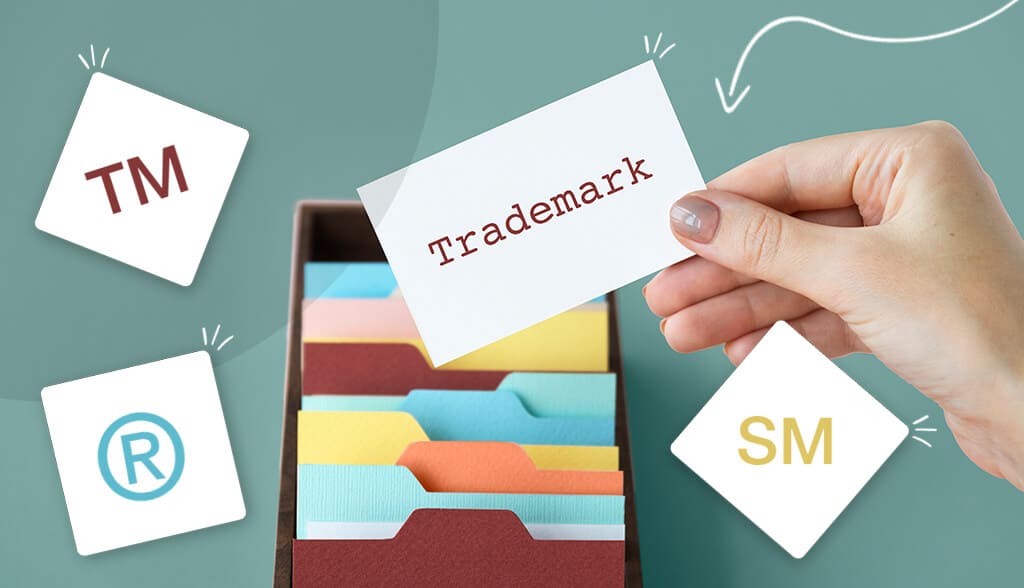

Trademark Dispute Resolution in China: Legal Options
⚡ Key Statistics: Trademark Disputes in China 2025
| Metric | Value (2025 H1) | Source |
|---|---|---|
| Increase in IP Cases | 36.15% (year-on-year) | SPC, July 21, 2025 |
| New Plant Variety Cases | 801 (84.14% increase) | SPC, July 21, 2025 |
| Overseas IP Litigation Cases (2023) | 364 (affecting 2,452 companies) | China IP Research Society, 2024 |
| Top Province for Overseas Cases | Guangdong (896 cases) | China IP Research Society, 2024 |
🚀 Quick Answer: What to Do If Facing a Trademark Dispute in China
Immediate Steps: Document evidence, contact a qualified trademark attorney, and choose from 4 main resolution paths: administrative action, mediation, arbitration, or litigation. Most disputes resolve within 6-12 months through proper legal channels.
Quick Guide: Your Legal Options at a Glance
| Resolution Method | Timeline | Cost Level | Best For |
|---|---|---|---|
| Administrative Action | 6-12 months | Low-Medium | Clear infringement cases |
| Mediation | 3-6 months | Low | Both parties willing to negotiate |
| Arbitration | 3-6 months | Medium | Complex commercial disputes |
| Court Litigation | 1-2 years | High | Serious infringement, large damages |
Why These Options Matter for Your Business
Furthermore, choosing the right resolution path can save your company thousands of dollars and months of uncertainty. Additionally, understanding these options helps you make informed decisions when trademark disputes arise unexpectedly.
Moreover, each method has distinct advantages depending on your specific situation. For instance, if you need a quick resolution and both parties are cooperative, mediation might be your best choice. However, if you’re dealing with deliberate infringement and need strong legal precedents, litigation could be necessary.
Recent Legal Updates Affecting Your Choices
Importantly, new regulations introduced in 2025 have made alternative dispute resolution methods more attractive. Specifically, the Provisions of the State Council on Handling Foreign-Related Intellectual Property Disputes now actively encourage mediation and arbitration for faster, more cost-effective outcomes.
“The 2025 legal framework emphasizes efficiency and fairness, making it easier for businesses to protect their trademark rights while maintaining commercial relationships.” – Peter H. Li, Senior Trademark Attorney at YCIP
Understanding Trademark Disputes in China
What Exactly Is a Trademark Dispute?
Simply put, a trademark dispute happens when someone uses your trademark without permission, or when someone challenges your right to use a trademark. In China, these disputes can involve registered trademarks, well-known unregistered marks, or even pending applications.
Additionally, trademark disputes often arise from confusion about similar marks, unauthorized use in commerce, or challenges to trademark validity. Furthermore, with China’s booming digital economy, online trademark misuse has become increasingly common.
The Chinese Legal Landscape
China’s intellectual property framework has evolved significantly, especially since 2019. Notably, the country now offers multiple pathways for resolving trademark disputes, each designed for different situations and business needs.
Moreover, the China National Intellectual Property Administration (CNIPA) serves as the primary administrative body overseeing trademark matters. Additionally, specialized IP courts handle complex litigation cases, while mediation centers provide alternative resolution options.
💡 Key Legal Framework: Trademark Law Article 7
Article 7 of China’s Trademark Law (2019 Amendment) states: “The application for and use of trademarks shall follow the principle of good faith.”
This clause specifically prohibits malicious registrations and emphasizes honest commercial practices, giving you stronger grounds to challenge bad-faith trademark filings.
Why Foreign Companies Face Unique Challenges
International businesses often encounter specific obstacles when dealing with trademark disputes in China. For example, language barriers, unfamiliarity with local legal procedures, and different business practices can complicate resolution efforts.
However, recent regulatory changes have improved protections for foreign companies. Specifically, the 2025 Provisions of the State Council on Handling Foreign-Related Intellectual Property Disputes provide enhanced support and clearer guidance for international businesses.
Furthermore, these new regulations require government agencies to provide IP information services and risk alerts to help foreign companies navigate potential disputes more effectively.
Most Common Causes of Trademark Disputes
Unauthorized Use: The Leading Cause
Unauthorized trademark use represents the most frequent type of dispute in China’s marketplace. Essentially, this occurs when someone uses your registered trademark or a confusingly similar mark without permission, leading to consumer confusion and potential business losses.
Moreover, unauthorized use can happen across various channels, including physical stores, e-commerce platforms, advertising materials, and social media. Additionally, some infringers deliberately target well-known foreign brands to capitalize on their reputation.
🔍 Real-World Example
A US technology company discovered that a Chinese manufacturer was selling products using their trademarked logo on major e-commerce platforms. Through swift legal action, they successfully removed the infringing products and secured damages.
Non-Use Cancellations: Use It or Lose It
China’s trademark law includes a “use it or lose it” provision that allows anyone to request cancellation of trademarks not used for three consecutive years. Consequently, this creates opportunities for bad actors to target valuable but unused trademarks.
Furthermore, proving trademark use requires substantial evidence, including sales records, advertising materials, and market surveys. Therefore, maintaining proper documentation becomes crucial for protecting your trademark rights.
📋 Legal Reference: Trademark Law Article 44
Article 44 allows cancellation of trademarks that are:
- Registered in bad faith
- Not used for three consecutive years without proper justification
- Become generic terms in their relevant industries
Bad-Faith Registrations: A Growing Problem
Bad-faith trademark registrations have become increasingly problematic, particularly affecting well-known international brands entering the Chinese market. Specifically, trademark squatters register foreign company names or brands with the intention of selling them back at inflated prices.
However, China’s legal framework now provides stronger tools to combat this practice. Notably, the revised Trademark Law emphasizes good faith principles and allows for easier cancellation of malicious registrations.
Digital Economy Complications
The rapid growth of China’s digital economy has created new types of trademark disputes. For instance, unauthorized use of trademarks as search keywords, domain name conflicts, and social media impersonation have become common issues.
Additionally, the Anti-Unfair Competition Law (Revised 2025) now specifically addresses digital platform responsibilities, making it easier to hold e-commerce platforms accountable for facilitating trademark infringement.
⚖️ New Legal Protection: Anti-Unfair Competition Law Article 57(6)
This 2025 amendment penalizes third parties (including e-commerce platforms) that facilitate infringement by providing services like promotion or payment processing for infringing products.
Cross-Border Enforcement Challenges
Many trademark disputes now involve cross-border elements, making resolution more complex. For example, foreign companies may face discriminatory treatment or encounter difficulties collecting evidence from overseas sources.
Fortunately, the new 2025 Provisions address these challenges by allowing Chinese authorities to investigate and impose countermeasures against discriminatory foreign practices. Moreover, this creates better protection for Chinese companies operating internationally and foreign companies operating in China.
Your 4 Main Legal Resolution Paths
Path 1: Administrative Actions Through CNIPA
Administrative actions represent the most straightforward and cost-effective approach for many trademark disputes. Specifically, you can file complaints directly with CNIPA or local market supervision authorities to address trademark infringement, cancellations, or validity challenges.
Moreover, CNIPA’s administrative procedures are designed to be efficient and accessible, even for foreign companies. Additionally, the agency has streamlined its processes in 2025 to handle the increasing volume of IP cases more effectively.
🏛️ When to Choose Administrative Action:
- Clear-cut infringement cases with strong evidence
- Non-use cancellation proceedings
- Bad-faith registration challenges
- Budget-conscious resolution needs
Furthermore, administrative actions can result in various remedies, including trademark cancellation, infringement cease orders, and financial penalties. However, they typically cannot award compensatory damages, which may require separate civil litigation.
Additionally, experienced trademark attorneys can significantly improve your success rate by properly preparing evidence and navigating procedural requirements.
Path 2: Mediation – The Fast Track Solution
Mediation has become increasingly popular following the 2025 regulatory updates that actively encourage alternative dispute resolution. Essentially, mediation involves a neutral third party helping both sides reach a mutually acceptable agreement.
Moreover, mediation offers several unique advantages over other resolution methods. For instance, it preserves business relationships, maintains confidentiality, and typically costs significantly less than litigation.
📋 Legal Backing: 2025 Provisions Articles 7 & 8
Article 7: Government agencies shall encourage mediation for IP disputes
Article 8: Mediation institutions receive official support to standardize processes and ensure credibility
Furthermore, successful mediation can result in comprehensive settlement agreements that address not only the immediate dispute but also future business relationships. Additionally, mediated agreements are typically enforceable through Chinese courts if one party fails to comply.
However, mediation requires both parties to participate willingly and negotiate in good faith. Therefore, it works best when both sides have legitimate interests in reaching a quick, cost-effective resolution.
Path 3: Arbitration for Complex Commercial Disputes
Arbitration provides a middle ground between mediation and full litigation, offering formal legal proceedings while maintaining more flexibility and privacy than court cases. Specifically, arbitration works well for complex commercial disputes involving multiple legal issues or significant financial stakes.
Moreover, China’s arbitration system has been strengthened to handle cross-border IP disputes more effectively. Additionally, arbitration awards are generally easier to enforce internationally compared to court judgments.
Furthermore, parties can choose their arbitrators, including specialists with specific trademark and IP expertise. This ensures that complex technical or commercial issues receive proper attention from qualified decision-makers.
⚡ Arbitration Benefits:
- Faster resolution than court litigation (3-6 months typical)
- Expert arbitrators with IP specialization
- Confidential proceedings protect business secrets
- International enforceability under New York Convention
Path 4: Court Litigation – The Heavy Artillery
Court litigation represents the most formal and comprehensive approach to trademark dispute resolution. Specifically, Chinese courts can award substantial damages, issue permanent injunctions, and create legal precedents that strengthen future IP protection.
Moreover, the 2019 amendments to China’s Trademark Law introduced punitive damages of up to five times actual losses for intentional infringement. Consequently, this makes litigation particularly attractive for serious infringement cases involving significant commercial harm.
⚖️ Trademark Law Article 63: Punitive Damages
Courts can award punitive damages up to five times actual losses for intentional trademark infringement, with statutory damages ranging from RMB 300,000 to RMB 5,000,000 for serious cases.
Furthermore, specialized IP courts in major cities like Beijing, Shanghai, and Guangzhou have developed significant expertise in handling complex trademark disputes. Additionally, these courts often provide faster resolution than general civil courts.
However, litigation requires substantial time, cost, and resources. Therefore, it’s typically best reserved for cases involving serious infringement, large financial losses, or the need to establish important legal precedents.
2025 Legal Updates You Need to Know
Revolutionary Changes in Foreign-Related IP Disputes
The Provisions of the State Council on Handling Foreign-Related Intellectual Property Disputes, effective May 1, 2025, represent the most significant update to China’s IP dispute resolution framework in recent years. Importantly, these provisions create comprehensive support systems for both Chinese and foreign companies facing cross-border IP challenges.
Moreover, these new regulations establish mandatory requirements for government agencies to provide IP information services, risk assessments, and dispute resolution guidance. Additionally, they create formal mechanisms for addressing discriminatory foreign IP practices.
🔥 Key 2025 Updates:
- Article 2: Government must provide comprehensive IP information services
- Article 4: Mandatory risk alerts for businesses entering foreign markets
- Article 11: Companies must enhance internal IP governance and employee training
Enhanced Anti-Unfair Competition Protection
The Anti-Unfair Competition Law (Revised 2025), effective October 15, 2025, introduces groundbreaking changes specifically targeting digital platform responsibilities. Notably, Article 57(6) now holds e-commerce platforms accountable for facilitating trademark infringement.
Furthermore, this revision addresses the growing problem of trademark misuse in China’s digital economy. For instance, platforms can now face penalties for allowing sellers to use trademarked terms as search keywords to mislead consumers.
Additionally, the law creates clearer liability standards for payment processors, logistics companies, and other service providers who knowingly assist in trademark infringement activities.
Criminal Law Enforcement Strengthened
Criminal Law Amendment XI (2021) continues to impact trademark dispute resolution in 2025, with updated judicial interpretations effective April 26, 2025. Specifically, these updates clarify thresholds for prosecuting trademark counterfeiting crimes.
Moreover, the enhanced criminal penalties serve as stronger deterrents against serious trademark infringement, particularly for repeat offenders and organized counterfeiting operations.
📊 Impact on Dispute Resolution:
According to the Supreme People’s Court, IP cases increased by 36.15% in the first half of 2025, demonstrating the growing effectiveness of enhanced legal protections.
CNIPA’s 2025 Strategic Focus
CNIPA’s 2025 Work Plan emphasizes cracking down on malicious trademark hoarding and streamlining dispute resolution procedures. Specifically, the agency has introduced new fast-track procedures for clear-cut infringement cases.
Furthermore, CNIPA has enhanced its cooperation with international IP offices to address cross-border trademark disputes more effectively. Additionally, the agency now provides better support for foreign companies navigating China’s trademark system.
Step-by-Step: Filing a Trademark Dispute
Phase 1: Initial Assessment and Evidence Collection
Before filing any trademark dispute, you must conduct a thorough assessment of your case and gather compelling evidence. Specifically, this involves documenting the infringement, analyzing your trademark rights, and evaluating potential remedies.
Moreover, proper evidence collection significantly impacts your chances of success, regardless of which resolution path you choose. Additionally, different resolution methods require different types and formats of evidence.
📋 Essential Evidence Checklist:
- Trademark Registration Certificates: Original registration documents
- Prior Use Evidence: Sales records, advertising materials, market presence
- Infringement Documentation: Screenshots, product samples, witness statements
- Commercial Impact: Lost sales data, market confusion evidence, damage assessments
Furthermore, working with experienced trademark attorneys during this phase ensures you collect the right evidence in legally admissible formats. Additionally, professional legal advice helps you choose the most appropriate resolution strategy.
Phase 2: Choosing Your Resolution Strategy
After completing your initial assessment, you must decide which resolution path best fits your specific situation. Importantly, this decision impacts your timeline, costs, and potential outcomes.
Moreover, you should consider factors such as the strength of your evidence, the infringer’s likely cooperation level, your budget constraints, and your desired timeline for resolution.
Additionally, some disputes may benefit from a sequential approach, starting with less formal methods like mediation before escalating to litigation if necessary.
Phase 3: Formal Filing and Procedural Compliance
Once you’ve chosen your resolution strategy, the formal filing process begins. Specifically, each resolution method has distinct procedural requirements, documentation standards, and filing fees.
Moreover, procedural compliance becomes critical for success, particularly in administrative and court proceedings. Additionally, missing deadlines or failing to meet technical requirements can seriously damage your case.
⏰ Typical Filing Timelines:
- Administrative Action: 2-4 weeks preparation, immediate filing
- Mediation: 1-2 weeks preparation, flexible scheduling
- Arbitration: 3-4 weeks preparation, formal submission
- Court Litigation: 4-6 weeks preparation, strict deadlines
Furthermore, professional legal representation becomes particularly valuable during this phase to ensure all procedural requirements are met correctly and efficiently.
How Long Does Resolution Take? (With Cost Estimates)
Administrative Action Timelines and Costs
Administrative proceedings through CNIPA typically take 6-12 months from filing to final decision. However, the actual timeline depends on several factors, including case complexity, evidence quality, and whether the opposing party files counter-arguments.
Moreover, administrative actions represent the most cost-effective option for most trademark disputes. Specifically, filing fees range from RMB 300-1,500, while professional legal fees typically cost RMB 10,000-30,000 depending on case complexity.
📊 Administrative Action Breakdown:
- Initial Review: 1-2 months (CNIPA preliminary assessment)
- Opposition Period: 3 months (for opposing party response)
- Final Decision: 2-6 months (depending on complexity)
- Total Average: 8 months
Additionally, administrative decisions can be appealed to the Beijing Intellectual Property Court, which adds approximately 6-9 months to the overall timeline. However, most administrative decisions become final without appeal.
Furthermore, working with experienced IP counsel can significantly reduce timelines by ensuring proper evidence preparation and procedural compliance from the start.
Mediation: The Speed Champion
Mediation consistently delivers the fastest resolution times, with most cases settling within 3-6 months. Importantly, successful mediation can sometimes achieve resolution in as little as 4-8 weeks when both parties are genuinely motivated to settle.
Moreover, mediation costs remain relatively low, typically ranging from RMB 5,000-20,000 in total fees, including mediator costs and legal representation. Additionally, parties often split mediation costs equally, further reducing individual expenses.
Furthermore, mediation’s speed advantage becomes even more pronounced when considering that unsuccessful mediation doesn’t prevent parties from pursuing other resolution methods later.
💰 Cost Comparison Table:
| Method | Timeline | Total Cost Range |
|---|---|---|
| Administrative | 6-12 months | RMB 10,000-30,000 |
| Mediation | 3-6 months | RMB 5,000-20,000 |
| Arbitration | 3-6 months | RMB 20,000-80,000 |
| Litigation | 12-24 months | RMB 50,000-200,000+ |
Arbitration Efficiency and Investment
Arbitration typically requires 3-6 months for resolution, making it comparable to mediation in terms of speed while providing more formal legal proceedings. Specifically, arbitration combines the efficiency of alternative dispute resolution with the binding authority of formal adjudication.
However, arbitration costs more than mediation, typically ranging from RMB 20,000-80,000 depending on the dispute value and complexity. Additionally, parties must pay arbitrator fees, administrative costs, and legal representation expenses.
Nevertheless, arbitration often proves cost-effective for complex disputes that would otherwise require lengthy court proceedings. Moreover, arbitration awards enjoy strong enforceability both domestically and internationally.
Court Litigation: The Comprehensive Solution
Court litigation typically takes 12-24 months for complete resolution, including potential appeals. However, first-instance court proceedings usually conclude within 6-12 months, with additional time required for appeals or enforcement proceedings.
Moreover, litigation costs vary significantly based on case complexity, potential damages, and representation requirements. Specifically, total costs can range from RMB 50,000 for straightforward cases to over RMB 200,000 for complex disputes involving multiple defendants and substantial damages.
Furthermore, successful litigation can result in substantial damage awards that far exceed legal costs. Additionally, court judgments create stronger legal precedents and deterrent effects against future infringement.
Preventing Future Disputes: Expert Tips
Proactive Trademark Registration Strategies
The most effective way to prevent trademark disputes is through comprehensive and strategic trademark registration. Specifically, you should register your trademarks early, before entering the Chinese market or launching new products.
Moreover, consider registering your trademarks in multiple relevant classes to prevent others from filing similar marks in related categories. Additionally, proper trademark registration strategy should include variations of your brand name, including Chinese translations and transliterations.
🛡️ Strategic Registration Checklist:
- Core Classes: Register in all classes where you sell products/services
- Related Classes: Consider adjacent categories for future expansion
- Defensive Registrations: Protect against bad-faith registrations in key classes
- Chinese Variations: Register Chinese translations and phonetic equivalents
Furthermore, working with specialized trademark professionals ensures your registration strategy aligns with Chinese legal requirements and business objectives.
Continuous Monitoring and Enforcement
Regular trademark monitoring helps identify potential infringement early, when resolution is typically easier and less expensive. Specifically, you should monitor trademark databases, marketplaces, and online platforms for unauthorized use of your marks.
Moreover, prompt enforcement action demonstrates your commitment to protecting trademark rights and can prevent small infringements from becoming major problems. Additionally, consistent enforcement helps maintain the strength and distinctiveness of your trademarks.
Furthermore, modern monitoring tools can automate much of the surveillance process, making continuous monitoring both practical and cost-effective.
Building Strong Evidence Documentation
Maintaining comprehensive records of trademark use strengthens your position in any potential dispute. Specifically, you should document all commercial use of your trademarks, including sales records, advertising materials, and market presence evidence.
Moreover, proper documentation helps defend against non-use cancellation actions and supports your claims in infringement proceedings. Additionally, organized evidence collection makes dispute resolution faster and more cost-effective.
📁 Documentation Best Practices:
- Sales Records: Keep detailed transaction records showing trademark use
- Marketing Materials: Archive all advertisements, brochures, and promotional content
- Digital Presence: Document website content, social media, and online sales
- Third-Party Recognition: Collect media coverage, industry reports, and customer testimonials
Employee Training and Internal Compliance
The 2025 Provisions specifically require companies to enhance internal IP governance and employee training. Consequently, implementing comprehensive IP training programs helps prevent accidental infringement and strengthens your overall IP strategy.
Moreover, well-trained employees can identify potential IP risks early and help maintain proper documentation practices. Additionally, internal compliance programs demonstrate good faith efforts to respect intellectual property rights.
Furthermore, regular training updates ensure your team stays current with evolving legal requirements and best practices in trademark management.
When to Hire a Trademark Lawyer
Complex Legal Situations Requiring Professional Help
While simple trademark matters can sometimes be handled independently, complex disputes almost always benefit from professional legal assistance. Specifically, you should consider hiring experienced trademark attorneys when facing serious infringement, cross-border disputes, or potential litigation.
Moreover, professional legal representation becomes crucial when dealing with sophisticated opponents who have their own legal counsel. Additionally, the stakes often justify professional fees when valuable trademarks or substantial business interests are at risk.
🚨 Clear Indicators You Need Professional Help:
- Disputes involving multiple jurisdictions or cross-border elements
- Potential damages exceeding RMB 100,000
- Criminal trademark counterfeiting allegations
- Complex evidence collection or technical legal issues
- Opponent has professional legal representation
The YCIP Advantage: Specialized Expertise
At Yucheng IP Law (YCIP), our specialized team brings decades of combined experience in Chinese trademark law and dispute resolution. Specifically, our attorneys have successfully handled hundreds of trademark disputes across all resolution methods.
Moreover, our team includes specialists in different aspects of trademark law, including branding expert Peter H. Li, litigation specialist Tony XU, and patent and litigation expert Tingfei WANG.
Furthermore, our comprehensive service approach means we can handle your trademark disputes from initial assessment through final resolution, providing continuity and expertise throughout the entire process.
Cost-Benefit Analysis of Professional Representation
While legal representation involves upfront costs, professional attorneys often save money in the long run by achieving faster, more favorable resolutions. Specifically, experienced lawyers can avoid costly procedural mistakes and identify the most efficient resolution strategies.
Moreover, professional representation significantly improves your chances of success, particularly in complex cases involving substantial evidence or legal arguments. Additionally, lawyers can often negotiate better settlement terms than parties could achieve independently.
“In my 15 years of trademark practice, I’ve seen countless cases where early professional intervention saved clients both time and money while achieving better outcomes.” – Peter H. Li, Senior Trademark Attorney at YCIP
Conclusion: Protecting Your Trademark Rights in China
China’s trademark dispute resolution system offers multiple effective pathways for protecting your intellectual property rights. Whether you choose administrative action, mediation, arbitration, or court litigation, success depends on understanding your options and implementing the right strategy for your specific situation.
Moreover, the 2025 legal updates have strengthened protections for both domestic and foreign companies, creating more efficient dispute resolution mechanisms and enhanced enforcement tools. Additionally, proactive trademark management and early professional intervention can prevent many disputes from escalating into costly legal battles.
Furthermore, with IP cases increasing by over 36% in 2025, having experienced legal counsel becomes increasingly valuable for navigating China’s complex trademark landscape effectively.
🚀 Ready to Protect Your Trademark Rights?
Don’t let trademark disputes threaten your business success in China. Get expert legal guidance from YCIP’s specialized trademark team.
Take Action Today:
- 📞 Free Consultation: Contact our trademark experts
- 📋 Quick Quote: Get trademark application pricing
- 🔍 Explore Services: View our comprehensive IP services
- 👥 Meet Our Team: Learn about our experienced attorneys
Join 1,000+ satisfied clients who trust YCIP for trademark protection in China.
External Resources and References
Legal Updates and Statistics:
- Supreme People’s Court IP Statistics 2025
- China Law Vision – 2025 Foreign-Related IP Regulations Analysis
- China Studies – Foreign IP Dispute Regulations
- RP Lawyers – Anti-Unfair Competition Law Impact 2025
- Marks & Clerk – Greater China IP Updates
- Chambers Practice Guides – China Litigation Trends 2025
- Juniper IP – China’s 2025 IP Protection Plan
Government Resources: